I am a loud-and-proud hater of the third-act breakup.
Which means that, upon internalizing the structure laid out by Hayes in this book, every romance plot and subplot I’ve ever liked twisted into a fascinating little puzzle box. I became a frustrated housecat, batting it about to get at the goodies inside. How am I supposed to have them pull away in act 3 without falling in to this third-act-breakup spike pit, which is apparently the industry standard? I wondered.
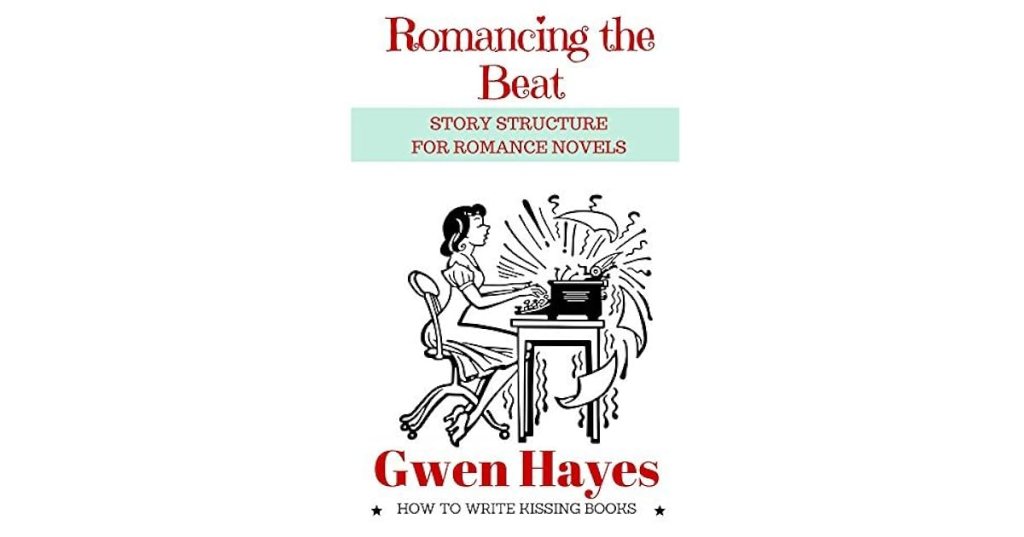
Hayes is a seeming proponent of the third-act breakup, and I can’t blame her. Romancing the Beat borrows heavily from the Save the Cat! method, including the third-act “Dark Night of the Soul”, in which the hero is left at their lowest, right before they rise from the ashes like a phoenix. Over the course of Romancing the Beat it is almost like the romance itself becomes a third character; the living, breathing collaboration between the two romantic leads. In order to come back bigger and better than ever, it too must have its darkest moment. For a lot of book couples, this just so happens to look like a third-act breakup.
I think this creates cognitive dissonance in people like me, who read romance as a subplot way more than as a primary plot. While every relationship has its pushes and pulls, it is rare that a romance is so volatile to deserve an entire plot, while also being realistic and healthy.
I am of two minds with this problem. On one hand I think that fiction is entertainment, and volatile romances make for great drama. On the other hand, I also think that fiction influences and instructs, and said volatile romances can poorly influence young readers into poor relationship habits.
Who’s to say which is more true?
Just a few weeks ago, as I was plotting a romance subplot for one of my current projects, I found Hayes’s beats coming back to me. The third-act pulling-away worked especially well in this case, as the protagonist’s main conflict is about pulling away from emotional intimacy, including their romantic interest. They still had things to learn about themselves, and they wouldn’t be ready to commit until they had sorted it out. It wasn’t exactly a third-act breakup, I had manufactured other reasons for the lovebirds to be apart for this moment, but the story still managed to follow the beat structure Hayes identified. I finally felt the puzzle box click open. I had written what felt like a compelling romance subplot, and I’d done it without falling victim to one of my least-favorite tropes.
All this is to say: I got a lot from this book, and if you’re interested in writing romance, I think you will too.
Inoffensive but stale millennial humor aside, Romancing the Beat is an excellent look at what makes popular romance stories tick the way they do. If you want to pick it up, I would recommend learning a little bit about Save the Cat! first, because as previously mentioned, it leans heavily on your understanding of that method’s basic beats. Even if you don’t, I think you will have an incredible time learning about what makes love stories compelling.
 R.H. Walker, Author
Leave a comment